Source Mineral Wool Insulation Batts for Roofing, Walls, and Pipes
Compare 30 listings of mineral wool insulation batts with varying densities, thicknesses, and fire ratings. Buyers can evaluate heat conductivity, hydrophobicity, and surface treatments for roofing, walling, and pipe applications.
Key considerations
Products List


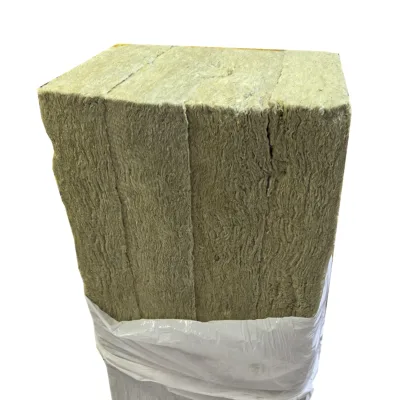

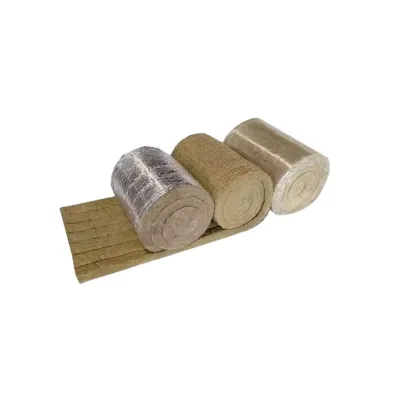
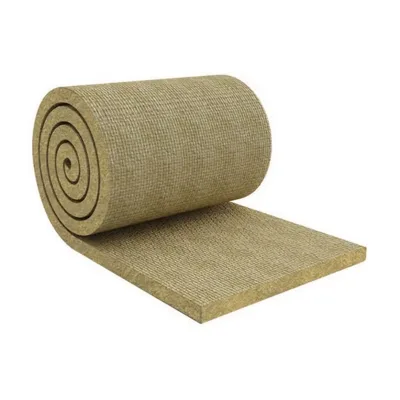


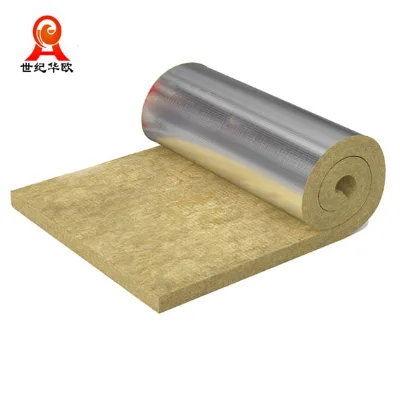

Comprehensive Sourcing Guide
Strategic Sourcing Guide for Mineral Wool Insulation Batts
Understanding Technical Specifications and Material Variants
When sourcing mineral wool insulation batts, buyers must first distinguish between the specific material compositions and physical dimensions that define product performance. The market offers distinct variants based on the raw material source, primarily basalt and glass, which dictate the thermal and acoustic properties of the final batt. Basalt-based products are often characterized by high refractoriness, with observed data indicating temperatures up to 800°C, while glass-based variants typically exhibit a refractoriness range of 200-450°C. This distinction is critical for applications involving high-temperature environments versus standard building envelope insulation.
The physical density of the batts varies significantly across suppliers, directly influencing the thermal conductivity and structural integrity of the insulation. Observed apparent density ranges span from 10-48 kg/m³ for lighter, high-performance thermal batts to 40-140 kg/m³ for heavier variants designed for sound absorption and fire resistance. Thermal conductivity is a primary performance metric, with observed values falling between 0.032 and 0.042 W/m·K. Buyers should verify that the specific batch they intend to purchase aligns with these conductivity ranges, as lower values indicate superior insulating efficiency.
Dimensions are equally variable and must be matched to the specific construction requirements. Thickness options are extensive, ranging from 25mm to 180mm, allowing for customization based on local building codes and energy efficiency targets. Fiber diameter is another critical specification, typically observed between 4-6 micrometers and 5-8 micrometers, which affects the texture and handling characteristics of the material. For pipe insulation applications, the diameter specifications can range from 4mm to 30mm for smaller components, extending up to 600-1200mm for larger industrial pipes, or 25-200mm for general pipe insulation. Standard sheet sizes are also available, with lengths varying from 1.2 meters up to 30 meters, ensuring flexibility for large-scale commercial projects.
Compliance, Certification, and Fire Safety Standards
Fire safety is a paramount consideration when selecting mineral wool insulation, given its primary role in preventing fire spread in buildings. The material is consistently classified as non-combustible with a Class A1 fire rating, ensuring it does not contribute to fuel load in the event of a fire. This classification is supported by high hydrophobicity levels, observed to be greater than or equal to 98%, which prevents moisture absorption that could compromise fire resistance or thermal performance. The water content is strictly controlled, typically maintained at less than or equal to 1%, further ensuring stability in humid environments.
Certification verification is essential for international procurement. Buyers should look for products that carry recognized international certifications, including CE, SGS, ISO, BV, and AS/NZ standards. These certifications validate that the manufacturing process adheres to strict quality and safety protocols. Additionally, the presence of an A1 fire rating certification is non-negotiable for compliance with most modern building codes. While some suppliers may list specific standards like "Grade A" or model numbers such as "AG-RWBL-221014-2" or "IK-GW17004," the overarching compliance framework relies on the internationally recognized bodies mentioned above.
It is important to note that while specific certifications are listed as available, buyers must request current, valid certificates for the specific batch of goods being purchased. The standard for product dimensions and performance is often tied to these certifications, ensuring that the delivered goods meet the declared specifications. For instance, the standard size for certain products is listed as 0.6 meters in width, while others offer custom lengths up to 30 meters. Verifying that the supplier's documentation aligns with these standards prevents discrepancies during customs clearance or on-site inspection.
Cost Drivers and Pricing Dynamics
The pricing of mineral wool insulation batts is influenced by a complex interplay of material costs, manufacturing processes, and logistical factors. The observed price range in the market is substantial, spanning from $0.30 to $49.88 USD per unit. This wide variance is not indicative of quality differences alone but reflects the diversity in product specifications, such as density, thickness, and surface treatment. Higher density batts, which offer superior acoustic and fire performance, generally command a higher price point compared to lighter, thermal-only variants.
Minimum Order Quantity (MOQ) is another significant cost driver. The observed MOQ ranges from 1 unit to 5,000 units. For small-scale projects or procurement trials, suppliers with lower MOQs are more accessible, though the unit price may be higher. Conversely, large-scale industrial projects can leverage bulk purchasing to reduce per-unit costs, provided the buyer can meet the higher volume requirements. The surface treatment also impacts cost; options such as bare, foil, craftpaper, or black tissue facings add value and cost to the final product. Foil-faced batts, for example, provide an additional vapor barrier, justifying a premium price over plain or kraft-faced options.
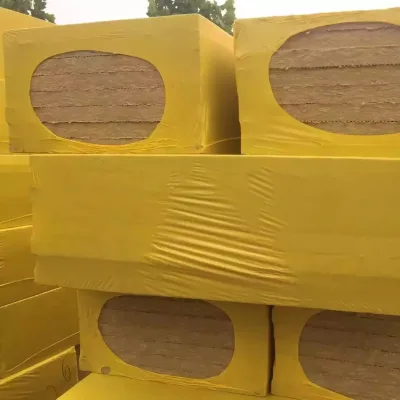
Packaging requirements further influence the total landed cost. Products are typically supplied in vacuum plastic wrapping to maintain density and prevent moisture ingress during transit. Some suppliers offer packaging with PE and PP woven bags in addition to vacuum packing, which may be necessary for specific shipping conditions or handling requirements. Buyers should factor in the cost of specialized packaging when calculating the total budget, especially for long-distance international shipments where moisture protection is critical.
Typical Applications and Usage Scenarios
Mineral wool insulation batts are versatile materials used across a broad spectrum of construction and industrial applications. The primary usage categories include exterior and interior tiling, acoustic soundproofing, roofing, walling, and partitioning. In residential and commercial buildings, these batts are frequently installed in roof and wall cavities to provide thermal insulation and reduce noise transmission. The high sound absorption coefficient at 2000Hz makes them particularly effective for acoustic control in multi-unit dwellings and office spaces.
Industrial applications often require the high-temperature resistance of basalt-based mineral wool. In such scenarios, the material is used for insulating pipes, plants, and machinery where temperatures can reach critical levels. The observed refractoriness of up to 800°C for certain variants makes them suitable for high-heat environments where standard fiberglass would fail. Additionally, the hydrophobic nature of the material ensures that it maintains its insulating properties even in wet or damp conditions, making it ideal for exterior applications where exposure to rain or humidity is a concern.
The flexibility of the product allows for use in various structural configurations. Whether used as a standalone insulation layer or integrated into a composite wall system, mineral wool batts provide a durable solution. The "Total Solution for Projects" service offered by many suppliers indicates that these materials are often part of a broader system, including installation guidance and technical support. This holistic approach ensures that the insulation performs optimally within the specific context of the building or industrial facility.
Supplier Evaluation and Quality Assurance
Selecting a reliable supplier requires a rigorous evaluation of their capabilities, particularly regarding customization and after-sales support. The market offers significant customization options, allowing buyers to tailor product dimensions, densities, and surface treatments to specific project needs. Suppliers should be able to provide a "Total Solution for Projects," which implies a commitment to supporting the buyer from the design phase through installation. This level of service is crucial for complex projects where standard off-the-shelf products may not suffice.
Quality control is another critical factor. Buyers should verify the bulk density tolerance, which is typically observed at ±10%. This tolerance ensures that the product remains consistent in performance across different batches. The color of the batts, which can range from yellow, white, and pink to brown or green, is often an indicator of the specific formulation or coating used, though it does not necessarily correlate with performance. However, consistent coloration can be a visual cue for quality control, indicating uniform mixing and processing.
Warranty terms vary among suppliers, with observed periods ranging from 1 to 5 years. A longer warranty period often reflects the supplier's confidence in the durability and longevity of their product. Buyers should carefully review the warranty conditions to understand what is covered, such as material defects or performance failures. Additionally, the origin of the product, often listed as Tianjin or Hebei in China, can provide insights into the manufacturing ecosystem and the logistical capabilities of the supplier.
Long-Term Procurement Considerations
Sourcing mineral wool insulation is not merely a transactional activity but a strategic decision that impacts the long-term performance of a building or facility. The durability of the material, combined with its fire resistance and thermal stability, makes it a sound investment for sustainable construction. However, buyers must consider the long-term maintenance and replacement cycles. The 5-year warranty observed in some products suggests a commitment to long-term reliability, but it is essential to ensure that the installation and maintenance protocols are followed to maximize the product's lifespan.
Supply chain resilience is another consideration. With lead times and production capacities varying by supplier, buyers should establish relationships with multiple vendors to mitigate the risk of supply disruptions. The ability to customize orders and the availability of various packaging options (vacuum, PE, PP) allow for flexibility in logistics planning. Furthermore, the environmental impact of the product, including its recyclability and the energy efficiency it provides over its lifecycle, should be factored into the procurement strategy.
Finally, buyers should remain vigilant regarding changes in standards and regulations. As building codes evolve, the requirements for fire safety, thermal performance, and acoustic insulation may change. Maintaining a close relationship with suppliers who are up-to-date with these changes ensures that the procurement strategy remains compliant and effective. By focusing on these long-term factors, buyers can secure a supply chain that supports the enduring performance and safety of their projects.
FAQs
What is the fire rating of mineral wool insulation batts?
The fire rating is Class A1, meaning the material is fireproof and non-combustible. This classification ensures the insulation does not contribute to fuel load during a fire event, providing critical safety for both residential and industrial applications.
How does the heat conductivity vary across different products?
Heat conductivity values typically range from 0.032 to 0.042 W/m·K. Lower values within this range indicate superior insulating efficiency, allowing buyers to select specific batches that align with their energy efficiency targets and thermal performance requirements.
Which certifications should I look for in mineral wool insulation?
Buyers should look for recognized international certifications including CE, SGS, ISO, BV, and AS/NZ standards. These certifications validate that the manufacturing process adheres to strict quality and safety protocols required for international procurement and compliance.
Can I customize the thickness and dimensions of the batts?
Customization is available for thickness ranging from 25mm to 180mm and lengths up to 30 meters. This flexibility allows buyers to tailor product dimensions to specific construction requirements, local building codes, and unique energy efficiency targets.
What is the minimum order quantity for purchasing these batts?
The minimum order quantity ranges from 1 unit to 5000 units depending on the supplier. Small-scale projects can access lower MOQs, while large industrial projects can leverage bulk purchasing to reduce per-unit costs by meeting higher volume requirements.
How hydrophobic is the mineral wool insulation material?
The material exhibits high hydrophobicity levels of 98% or greater. This property prevents moisture absorption, ensuring the insulation maintains its thermal performance and fire resistance even in humid environments or exterior applications exposed to rain.
What is the typical refractoriness temperature for these products?
Refractoriness varies by material type, with basalt-based products reaching up to 800°C and glass-based variants up to 450°C. This distinction is critical for selecting the right insulation for high-temperature industrial environments versus standard building envelope applications.